

Find what you are looking for?
Red-necked Pademelon
SPECIES THYLOGALE THETIS
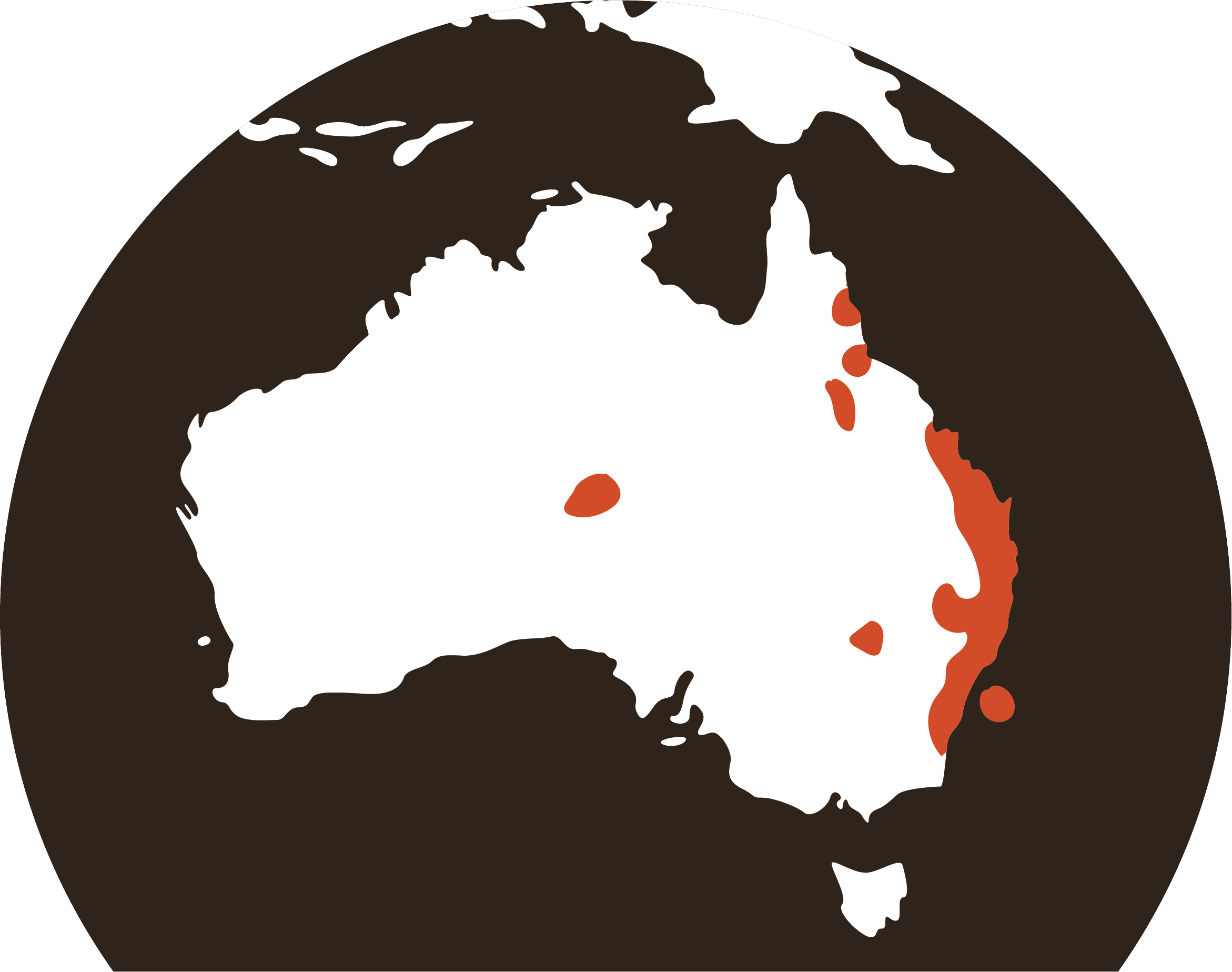
DISTRIBUTION

WEIGHT
Up to 7kg

HEIGHT
Up to 62cm

TOP SPEED
4 - 10 years

FAVOURITE FOOD
Grasses, leaves, roots and fallen fruit
The red-necked pademelon is a small, forest-dwelling marsupial found along the eastern coast of Australia, ranging from eastern Queensland down to the mid-coast of New South Wales. It gets its name from the distinctive reddish tint of fur across its neck and shoulders, which stands out against its otherwise grey-brown coat.
Pademelons are part of the macropod family, which includes kangaroos and wallabies. Like their larger relatives, they rely on strong, powerful hind legs to hop and can reach impressive speeds when fleeing danger, holding their tail out stiffly like a rod as they move.
These herbivores feed mainly on short grasses and herbs, though they'll also browse on shrubs, fruits and leaves when available. They favour the ecotone, or "edge zone," between forest and open grassland, resting and sheltering in the forest by day before following well-worn paths out to nearby pastures to graze, rarely venturing more than about 100 metres from the tree line.
Red-necked pademelons are largely nocturnal, though they can be active at various points throughout the day and night, typically taking their deepest rest around midday. They are generally solitary animals but will sometimes form small, loose groups.
Like other marsupials, female pademelons carry and raise their young, called joeys, in a pouch. After a gestation period of around 30 days, the tiny joey climbs up through its mother's fur into the pouch, where it continues to nurse, grow and develop before gradually beginning to leave the pouch months later.
Despite being relatively common across parts of their range, red-necked pademelons face growing pressure from habitat destruction, particularly land clearing for agriculture and urban development, as well as the risks of road traffic near forest edges. Ongoing conservation and land management efforts aim to protect the forest habitats this shy, understated Australian marsupial depends on.
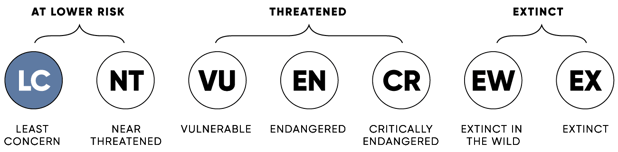
Conservation Status
Did You Know?
Red-necked pademelons help regrow forests by spreading seeds through their droppings as they move around.