

Find what you are looking for?
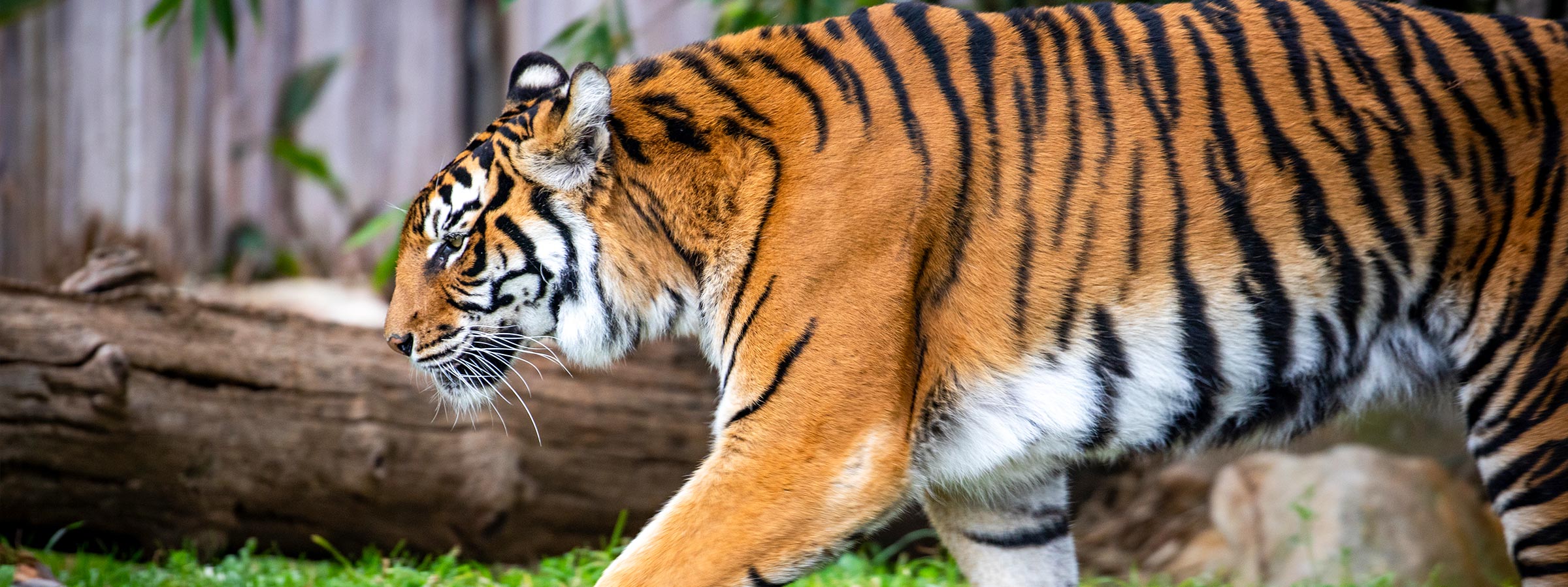
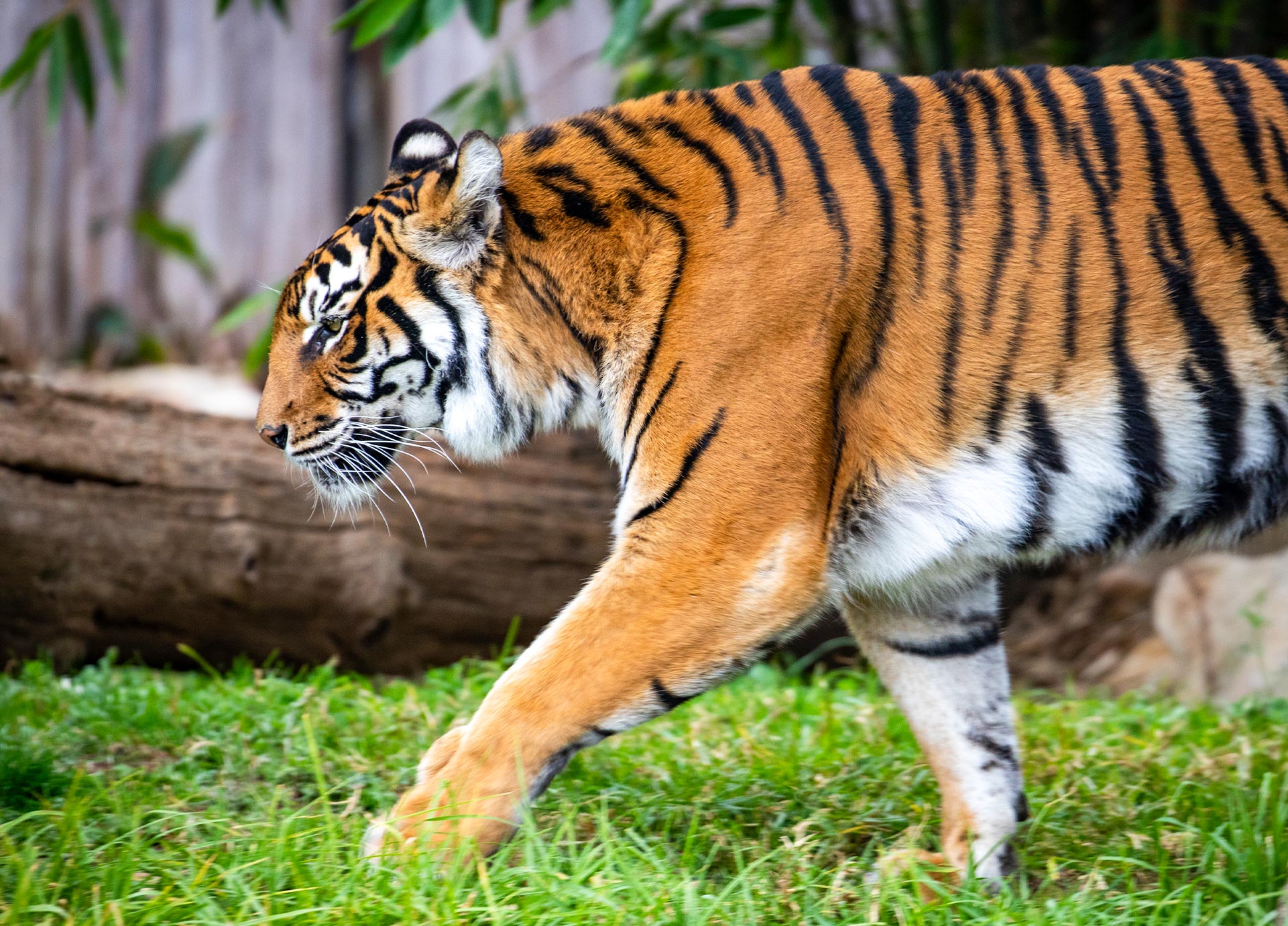
Sydney Zoo accepts the agreed international definition of animal welfare from the World Organisation for Animal Health (or OIE – Office International des Epizooties):
Animal welfare is defined by how an animal copes with the conditions in which it lives. An animal is considered to be in a good state of welfare if (as indicated by scientific evidence) it is healthy, comfortable, well nourished, safe, able to express innate behaviour and is not suffering from unpleasant states such as pain, fear or distress. Good animal welfare requires disease prevention and veterinary treatment, appropriate shelter, management, nutrition, humane handling and humane euthanasia (when euthanasia is necessary). Animal welfare refers to the state of the animal; the treatment an animal receives is covered by other terms such as animal care, animal husbandry and humane treatment.
As an educational and conservation-oriented institution with responsibility for the care of animals, Sydney Zoo will always ensure that the needs, interests and welfare of our animals is our primary consideration. We believe that good animal welfare is essential to providing visitors with a rewarding and enjoyable experience and hence is essential for the long-term viability of our business.
Sydney Zoo's Commitment to the Five Domains of Animal Welfare
Sydney Zoo’s philosophy on animal welfare is based on the principles of the Five Domains of Animal Welfare. The Five Domains of Animal Welfare is a science-based structure for evaluating animal welfare, which acknowledges that animals can experience emotions, ranging from negative to positive. It provides a best practice framework to assess welfare in animals of all species. A key feature of this charter is the range of species-specific welfare assessment tools developed by the Animal Care teams. By providing robust and relevant measures of animal welfare, these tools support informed decision-making and demonstrate Sydney Zoo’s ongoing commitment to innovation, excellence, and continuous improvement in the care of animals.
The Five Welfare Domains and examples of related positive states are:
PHYSICAL DOMAINS
- Nutrition: e.g. appropriate consumption of nutritious foods is a pleasurable experience
- Environmental: e.g. benign conditions offer adaptive choices and variety
- Health: e.g. physically sound (uninjured, disease-free) animals enjoy good health
- Behaviour: e.g. environment-focused and inter-animal activities are satisfying and engaging
MENTAL DOMAIN
- Mental or Affective State: e.g. animals experience comfort, pleasure, interest and confidence
Nutrition
Animal nutrition is fully researched to deliver a naturalistic, balanced diet catered to individual needs and circumstances. The diets are assessed daily by senior animal staff to ensure that the highest quality and correct quantities of food are offered. Feeding of the animals is conducted in a way that simulates their natural hunting and foraging behaviours by randomising feeding times, food placement and size of offerings. We will maintain high standards of hygienic food and water preparation, handling and storage.
Environment
The habitat designs deliver a variety of surfaces and textures using enclosure furniture and substrates. These include changes in elevation where the animals can choose to be high on top of a hill or climbing structure, under cover low down within the habitat, or sit in or next to a water feature. We have provided environmental variety within the habitat to offer choice to the animal. All habitats will provide shelter from weather, minimise exposure to fear and distress and allow each animal an opportunity to escape aggression from other animals.
Health
Sydney Zoo delivers a leading veterinary care program that meets current international standards for zoo and wildlife health care, and which understands and adapts to individual as well as species needs. All animals at Sydney Zoo are visually assessed by senior animal care staff and veterinary staff daily. Scheduled, detailed physical assessments by our veterinary staff are performed on all animals on a regular basis. All animals at Sydney Zoo have their individual health assessed and recorded by our veterinary staff.
Behaviour
Sydney Zoo has adopted strategies and designs to encourage natural behaviours that inspire curiosity and offer challenges. Where appropriate, social animals are kept in groups to encourage natural interactions and socialisation. Habitats are designed to engage the animals and provide physical and sensory stimulation. The animal care staff assess the behaviour of each individual animal and vary their daily routines and conditioning to provide rewarding interactions and enrichment.
Mental or Affective State
Sydney Zoo’s focus is to provide a positive environment for our animals encouraging their natural instincts and behaviours, while maintaining their physical and mental health. Large enclosure sizes, companion animals and a constant variety of experiences provides the framework for achieving our goal.
ZAA Accredited – The Highest Standards of Animal Welfare
 Sydney Zoo is a proud member of the Zoo and Aquarium Association Australasia (ZAA) and is ZAA Welfare Accredited, demonstrating our commitment to achieving the highest standards of animal welfare and care.
ZAA is the peak body representing leading zoos, aquariums, sanctuaries and wildlife parks across Australia, Aotearoa New Zealand and Papua New Guinea. ZAA Accreditation sets the benchmark for animal welfare across the Australasian Zoo and Aquarium community and recognises organisations that demonstrate an ongoing commitment to positive animal welfare.
Achieving ZAA Accreditation provides independent recognition that Sydney Zoo operates to the high standards expected of leading zoos and aquariums across Australasia and reflects our ongoing commitment to best-practice animal care and continuous improvement.
Our commitment to ZAA extends well beyond accreditation and membership. Sydney Zoo team members actively contribute their knowledge, expertise and leadership to support zoos, aquariums and wildlife conservation across the Australasian region.
A number of our team serve as ZAA Species Coordinators, helping coordinate the management of animal populations across participating zoos and aquariums. Species Coordinators play an important role in making recommendations around breeding and animal management to help maintain healthy, genetically diverse and sustainable populations across the region.
Sydney Zoo team members also contribute through leadership and membership of Taxon Advisory Groups, Specialist Advisory Groups and Committees, sharing their specialist expertise and working collaboratively with colleagues from other institutions to advance animal welfare, conservation, population management and professional practice. ZAA's advisory groups are specifically designed to harness expertise from across its membership and support collaboration and continuous improvement throughout the sector.
At an organisational level, Sydney Zoo's CEO also serves on the ZAA Board, contributing to the strategic direction and governance of the Association and the continued development of the zoo and aquarium sector across Australasia. Through all of these roles, Sydney Zoo is proud to both benefit from and contribute to a collaborative professional community working collectively to improve animal welfare, conservation outcomes, species management, research and education.
Quality Tourism & Sustainable Tourism Accredited
![Sustainable1[36]](https://sydneyzoo.com/hs-fs/hubfs/Sustainable1%5B36%5D.png?width=400&height=126&name=Sustainable1%5B36%5D.png)
Sydney Zoo is proud to be recognised as a Quality Tourism Sustainable Tourism Accredited Business, demonstrating our commitment to delivering high-quality visitor experiences while operating responsibly and sustainably. This nationally recognised accreditation assesses tourism businesses against established standards across customer experience, business practices, environmental responsibility, accessibility, cultural and social responsibility, and sustainability.
At Sydney Zoo, sustainability is about more than reducing our environmental impact. It is reflected in the way we care for wildlife, contribute to conservation, manage our resources, support our people, engage with our community and recognise the cultural significance of the land on which we operate.
As one of Western Sydney’s major tourism attractions, we recognise our responsibility to continually improve the way we operate and to make a positive contribution to our region. This includes creating memorable and accessible experiences for our visitors, supporting local employment and tourism, reducing our environmental footprint, and ensuring Sydney Zoo remains a sustainable organisation for generations to come.