Find what you are looking for?
Pig-nosed Turtle
SPECIES CARETTOCHELYS INSCULPTA

DISTRIBUTION



GENUS
Mammothus

DIET
Herbivore

LIVED IN
Snow fields & grasslands

PERIOD
Pleistocene epoch into the holocene
Mammuthus primigenius – "First Elephant"
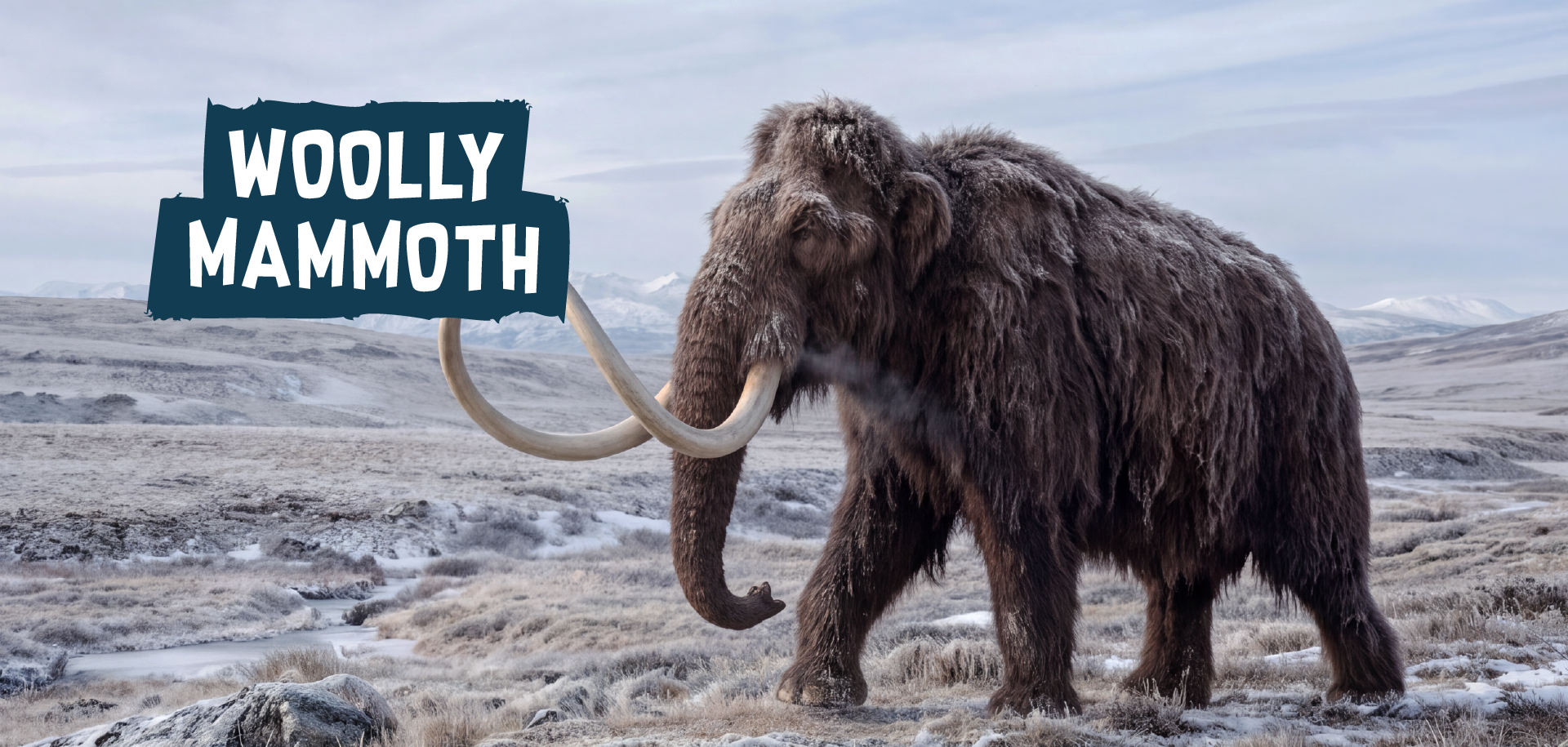
Woolly Mammoths are one of the most iconic animals of the Ice Age. Like modern-day elephants, they travelled in herds across the landscape in search of food and water. Their long, shaggy hair covered their bodies, helping to keep them warm and protected from the harsh, icy conditions.
Woolly Mammoths used their long tusks and trunks to pull down branches and dig through snow to find fresh leaves and shrubs. Their large back teeth helped them chew tough plants, including woody branches.
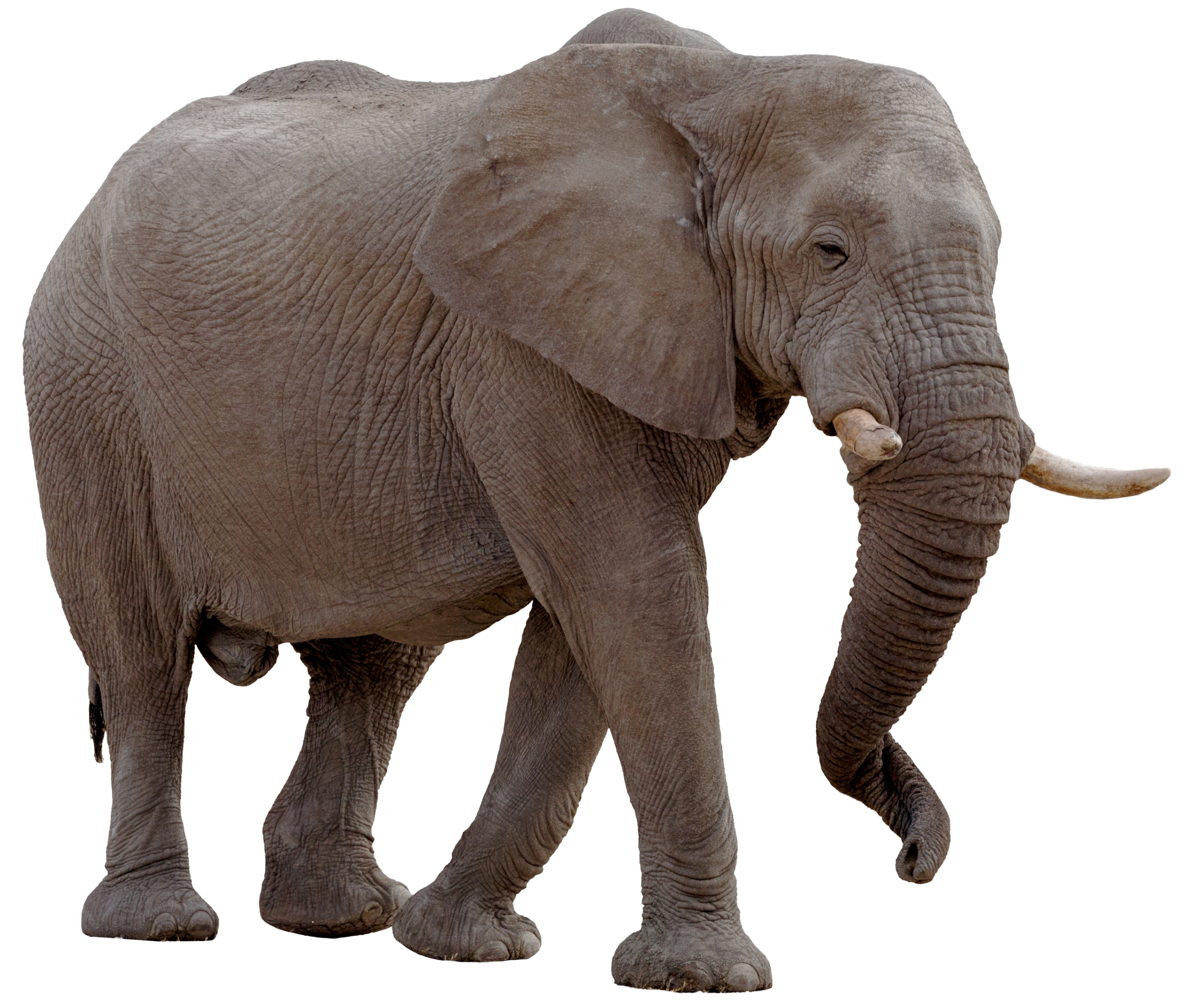
These feeding skills are still seen in modern elephants today. Elephants use their trunks and tusks to reach and uncover food, solve problems, and rely on their strong sense of smell. It’s likely Woolly Mammoths did the same, using their sense of smell to find food hidden beneath snowy ground.