Find what you are looking for?
Pig-nosed Turtle
SPECIES CARETTOCHELYS INSCULPTA

DISTRIBUTION



GENUS
Aptenodytes

DIET
Carnivore

LIVED IN
Sub-Antarctic coastlines

PERIOD
Late Miocene to Anthropocene (current epoch)
Aptenodytes patagonicus – "Featherless Diver from Patagonia"
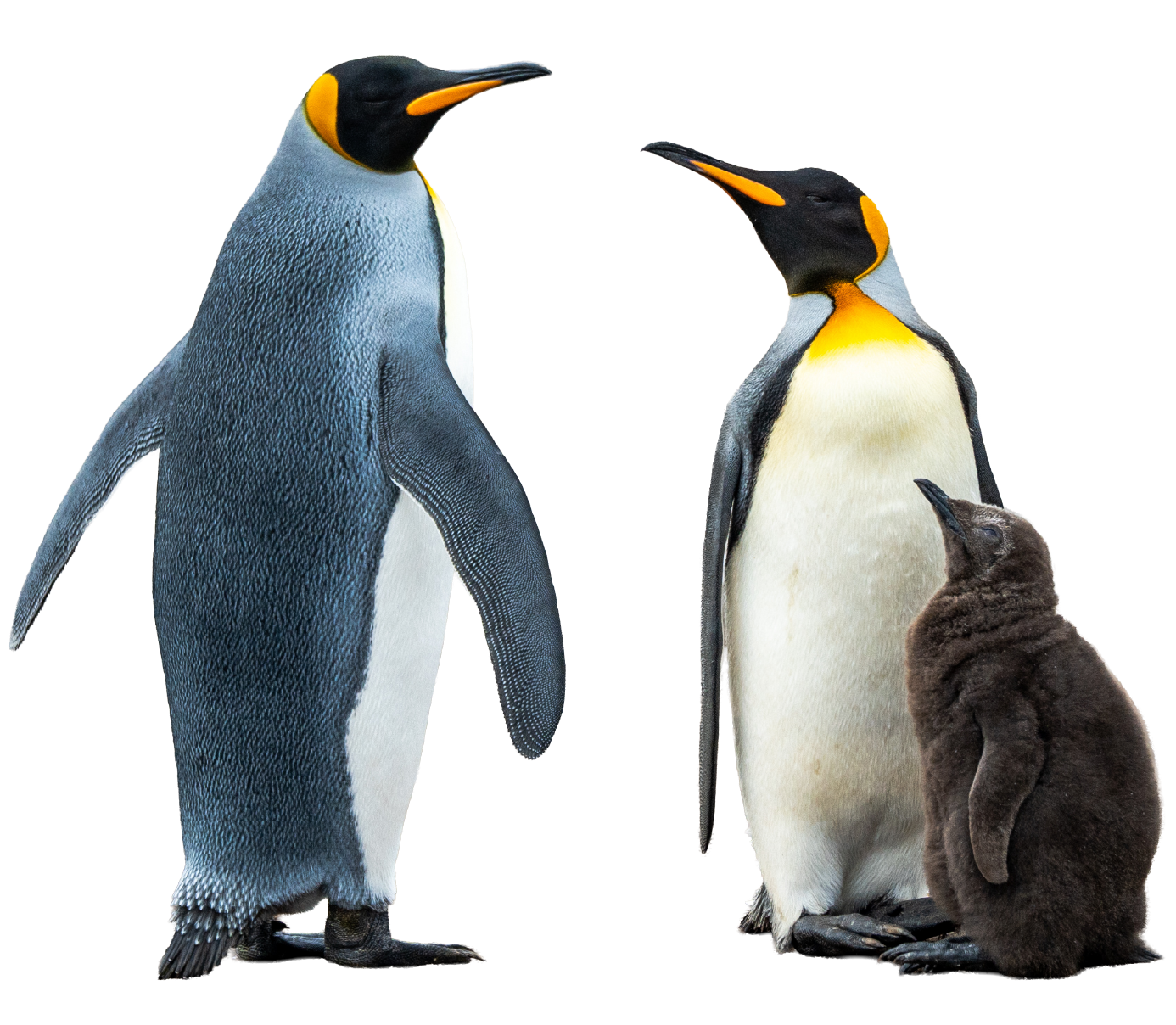
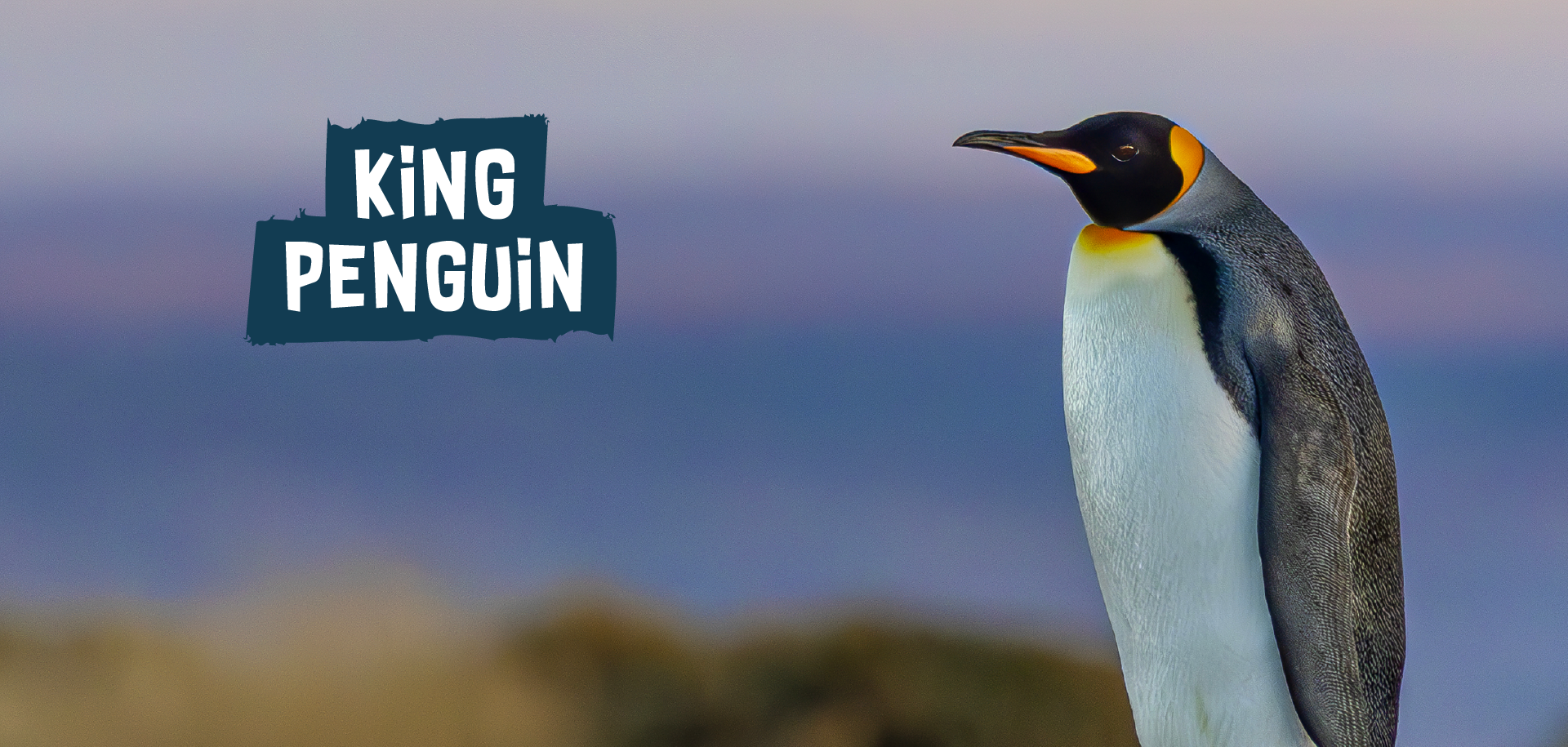
King penguins may not be able to fly, but in the water they are expert swimmers. They glide effortlessly through the ocean, moving as if they are flying underwater. They are the second-largest penguin species, behind the emperor penguin, standing at 85-95cm tall and weighing roughly 10 to 16 kilograms. You can easily recognise them by the bright orange markings on their neck and head.
King penguins gather in huge colonies on sub-Antarctic islands to breed and raise their chicks. To survive the cold, they rely on dense feathers and a thick layer of fat for insulation. Their chicks look very different from the adults, covered in soft brown fluff. Despite living in extreme environments, king penguins thrive in icy oceans similar to those once inhabited by Ice Age animals.